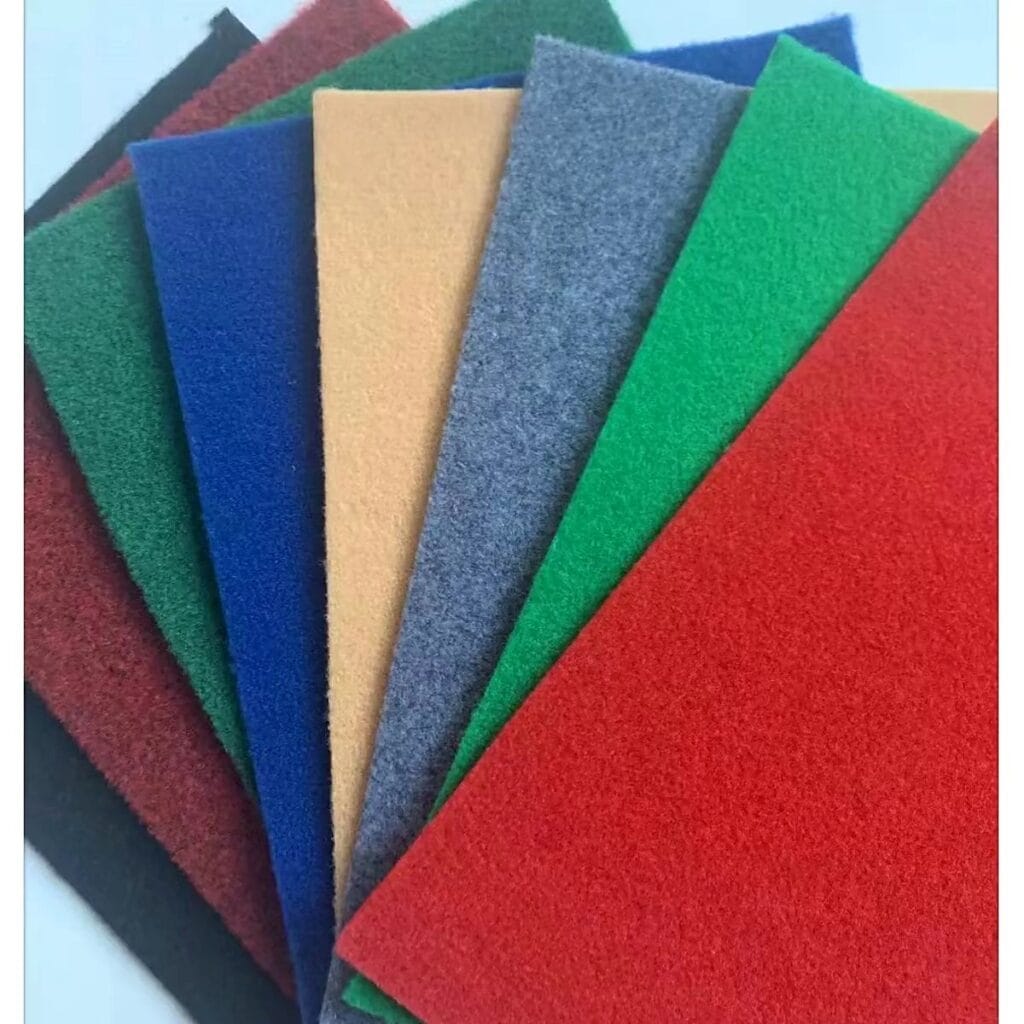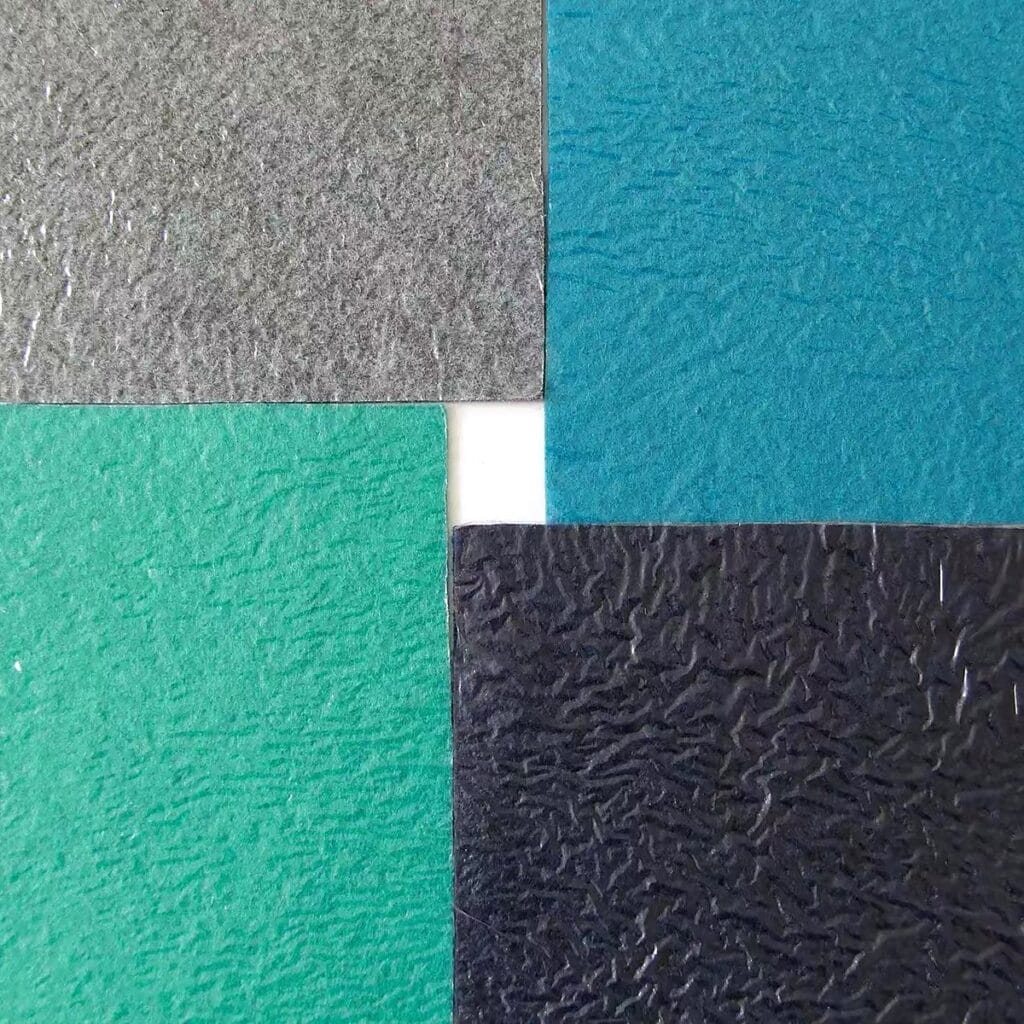
A gold sluice mat is not an ordinary floor covering. Its purpose is to create a three-dimensional structure that can retain particles while water and lighter material continue through the recovery system. Fiber density, surface depth and installation method all influence how the mat works inside the equipment.
There is no single configuration for every operation. The appropriate structure depends on particle size, material load, water flow, sluice design and cleaning routine. A clear understanding of these conditions is essential before mat weight or thickness is selected.
The Role of the Mat Inside a Sluice
As material moves through a sluice, the mat provides irregular spaces where heavier particles can settle. A dense interlocking fiber structure creates multiple contact points and holding areas below the main water flow. The goal is to provide useful capture space without blocking the system or restricting normal movement of lighter material.
The mat must also remain stable inside the sluice. Correct dimensions, secure placement and a flat installation help prevent water from bypassing the active surface.
Match Fiber Structure to Particle Size
Coarser structures can provide larger spaces for relatively coarse particles and heavier material. Finer, denser fibers create more contact points and may be selected for fine-tailings applications. The choice should reflect the feed material rather than a general assumption that a heavier mat is always better.
Testing more than one structure under representative conditions can help determine which option provides the most practical balance of retention, flow and cleaning. Results should be reviewed over a complete operating cycle rather than during a short visual test.
Consider Water Flow and Installation
Water velocity, sluice angle and material volume affect how particles interact with the mat. Excessive flow can reduce settling time, while insufficient flow may allow lighter material to accumulate. The mat should be considered as one part of the full system rather than as an isolated component.
Before installation, confirm the internal width and length of the sluice. The mat should be cut accurately so that it lies flat without curled edges or open side gaps. If multiple sections are used, joints should be positioned and secured to reduce bypass.
Cleaning and Reuse
A practical gold sluice mat should be easy to remove, rinse and reinstall without losing its structure. Cleaning frequency depends on material load and operating conditions. Waiting too long can fill the available fiber spaces, while cleaning too frequently may interrupt productive operation.
During cleaning, inspect the mat for compression, damage or embedded material. A consistent cleaning method also makes it easier to compare performance between operating periods.
Specify the Mat for the Equipment
A useful purchasing specification should include mat width, roll length, thickness, weight, fiber density, color and intended particle range. It should also describe the sluice dimensions, typical water flow and whether the mat will be cut into sections before use.
Because operating conditions vary, samples and application testing are recommended before a large order. This allows the mat structure to be assessed in the actual recovery system.
Learn more about our Gold Sluice Mats or contact us to discuss roll dimensions, fiber structures and application requirements.