
Table of Contents
Custom Carpets: The Purchase Decision
Custom Carpets decisions become more useful when the buyer focuses on protecting the material through handling and delivery. This guide applies that question to velour carpet for adding a softer visual finish to exhibitions, retail displays, stages and commercial interiors. Correctly manufactured material can arrive difficult to use if rolls are crushed, labels are lost or the required pieces cannot be found. Packing should support both transport and installation.
For custom carpets, a clear acceptance record is more useful than an undefined promise of quality.
Construction and Application Limits
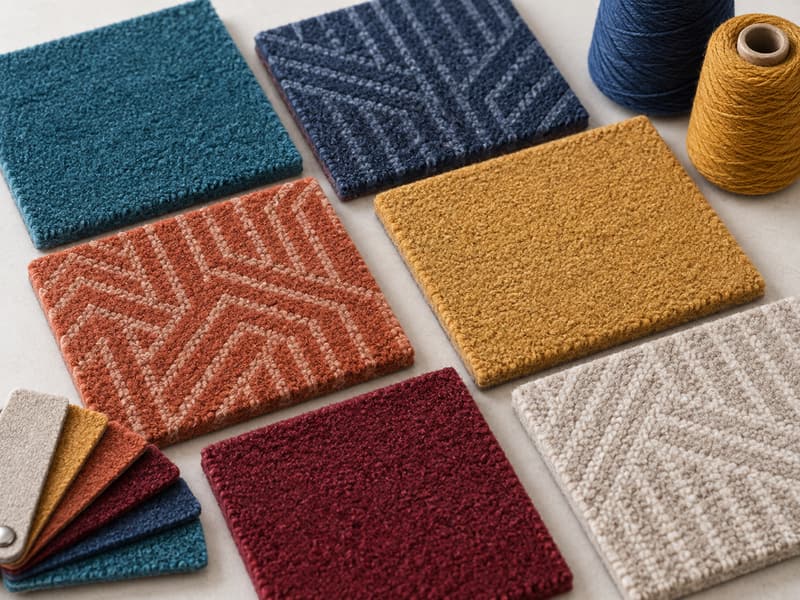
MINGYAO describes its relevant product as brushed needle-punched polyester with a raised, fuller-looking surface. Brushing raises surface fibers to give the carpet more visual depth than a flatter construction. That appearance should be reviewed from both ends of the roll and under the intended lighting. Handling, packing pressure and traffic can affect how the face looks during a sample trial.
A soft hand feel or plush appearance does not by itself prove a particular wear rating, sound rating or suitability for every commercial location.
Packing and Roll Protection for Custom Carpets
Agree roll winding, core, wrapping, labeling and any pallet requirements with the supplier. Consider how the receiving team will move and store the material. Make each package traceable to a size, color lot and intended project zone.
For this velour carpet project, the critical detail is pile appearance under changing viewing and lighting directions. Review how the raised face looks after the proposed packing and unpacking method before approving a retail presentation standard.
Apply the Decision to a Project Scenario
Consider a retail display buyer reviewing a soft-looking floor beneath directional lighting. The practical risk is approving a color from one viewing direction and then reversing adjacent drops during installation. A delivery containing several similar gray rolls becomes easier to manage when the label shows the cut-plan reference and destination area. Generic color-only labels leave the installation team to measure and identify everything again.
The decision about custom carpets should therefore be recorded as a packing specification and label sample. Keep the project conditions visible so the supplier, installer and buyer are reviewing the same requirement.
Custom Carpets: Compare the Options
Use the following comparison when reviewing custom carpets. These are decision routes, not guaranteed performance rankings. The final choice still needs the exact construction and project review.
| Option or condition | What to evaluate | Record for this decision |
|---|---|---|
| Flat display area | Compare the proposed finish with a flatter alternative under the same light. | Roll condition, handling access and readable identification |
| Raised-pile decorative zone | Judge pile direction across the whole visible space. | Roll condition, handling access and readable identification |
| Frequent handling | Review recovery of appearance after unpacking and repositioning. | Roll condition, handling access and readable identification |
Choose a Useful Approval Sample
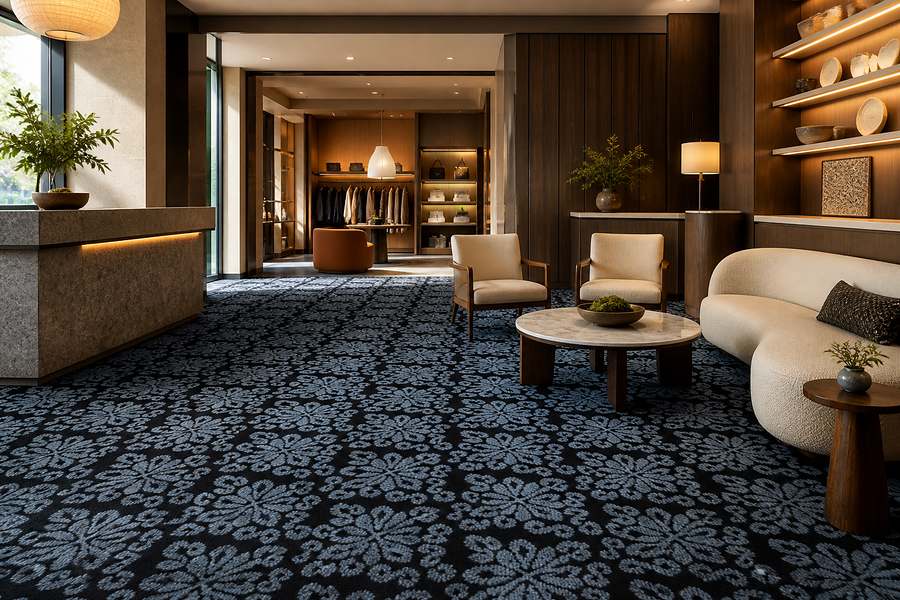
For custom carpets, request a panel large enough to view from opposite directions and compare after handling. Focus the approval on roll condition, handling access and readable identification. Avoid packaging selected without considering on-site movement. Label the specimen so observations remain connected to the offered product.
Custom Carpets: Keep the Right Records
Keep the inquiry, approved sample and a packing specification and label sample together. When comparing custom carpets, make the exact construction, dimensions and accepted deviations visible in the order. Record unresolved questions before production release.
For independent background, consult Carpet and Rug Institute installation resources. Use the resource appropriate to the project and verify the current requirements with the responsible reviewer. This reference does not certify any MINGYAO product.
Prepare a Focused Inquiry
To discuss custom carpets for this application, review Velour Carpet and the OEM/ODM service. Send display layout, lighting direction, required face appearance, cleaning method and traffic pattern. Ask MINGYAO to respond with a proposed construction, representative sample, quotation scope and the items that still need your decision.
Frequently Asked Questions
Should rolls be labeled by installation area?
It is useful when the order includes preallocated cuts or zones. Keep that location reference alongside the product, quantity and lot information.
What information helps when comparing custom carpets?
For velour carpet, include display layout, lighting direction, required face appearance, cleaning method and traffic pattern. Add the approved reference and explain the decision you need the sample or quotation to support.
Which sample should be approved before production?
Use a panel large enough to view from opposite directions and compare after handling. For this decision, check roll condition, handling access and readable identification and keep the result linked to the proposed construction.
What is the main mistake to avoid with custom carpets?
Avoid packaging selected without considering on-site movement. In this application, also address approving a color from one viewing direction and then reversing adjacent drops during installation before committing to the full order.
What should be confirmed when the specification changes?
Review the affected sample, dimensions, installation assumptions and evidence. A soft hand feel or plush appearance does not by itself prove a particular wear rating, sound rating or suitability for every commercial location.


