สารบัญ
Exhibition Carpet: The Purchase Decision
Exhibition Carpet decisions become more useful when the buyer focuses on turning a floor plan into a practical cutting layout. This guide applies that question to flat exhibition carpet for covering exhibition booths, aisles and temporary commercial spaces. Buying the same area as the room can still leave the installer short. Roll width, offcuts and the chosen laying direction determine whether the purchased material can actually cover the space.
Construction and Application Limits
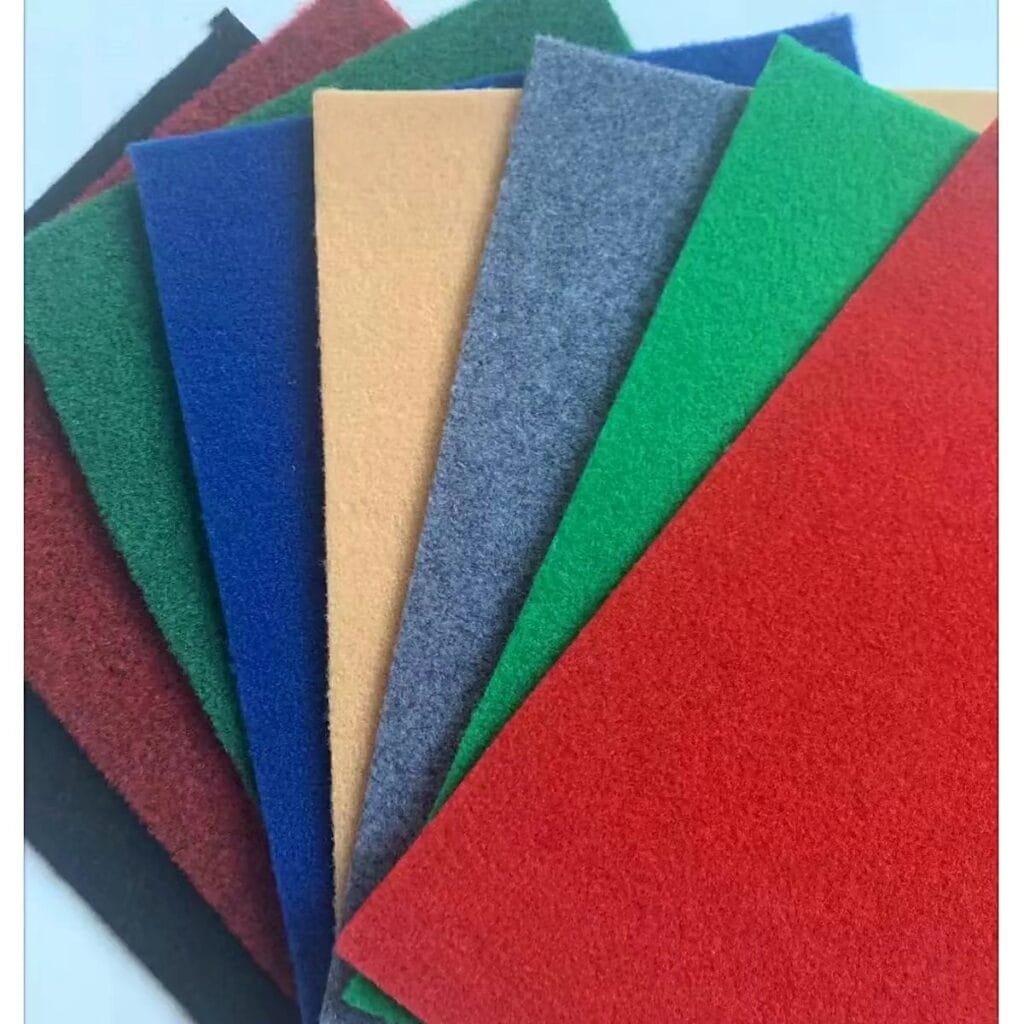
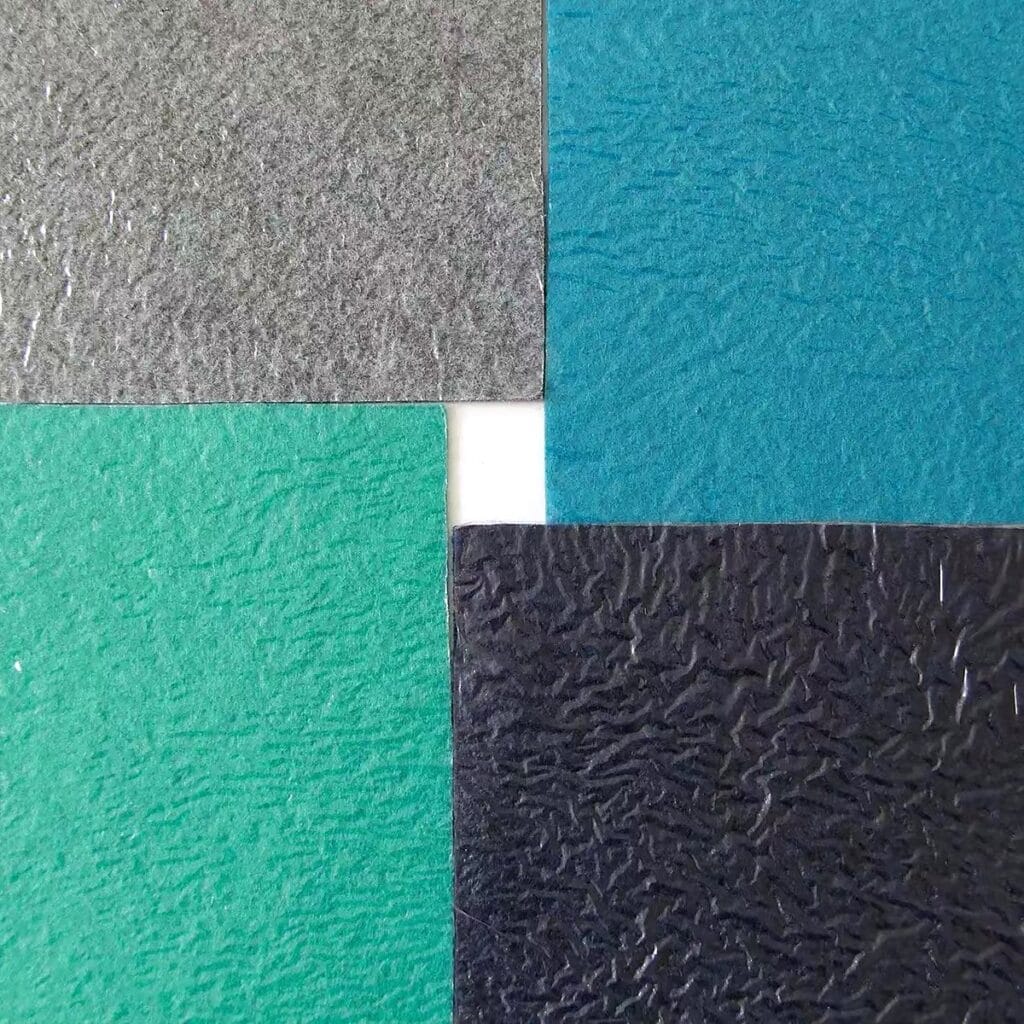
MINGYAO describes its relevant product as a flat needle-punched polyester face with a nonwoven backing. The flat surface gives an installer a straightforward basis for measuring, cutting and joining. Its performance still depends on the supplied weight, backing and approved installation method. A roll that is easy to transport may need more careful edge control at entrances or crossing points.
A temporary exhibition specification does not establish suitability for permanent office traffic or exposed outdoor service.

Roll Layout Planning for Exhibition Carpet
Draw every drop on a dimensioned plan. Mark doorway positions and joints that the installer should avoid. Then list usable roll width, cut length and the destination of each piece. Compare alternate layouts before applying an allowance.
For this flat exhibition carpet project, the critical detail is cutting layout, roll width and the installation window. Keep long aisle runs continuous where the approved roll width allows; label booth cuts separately from the main circulation route.
Apply the Decision to a Project Scenario
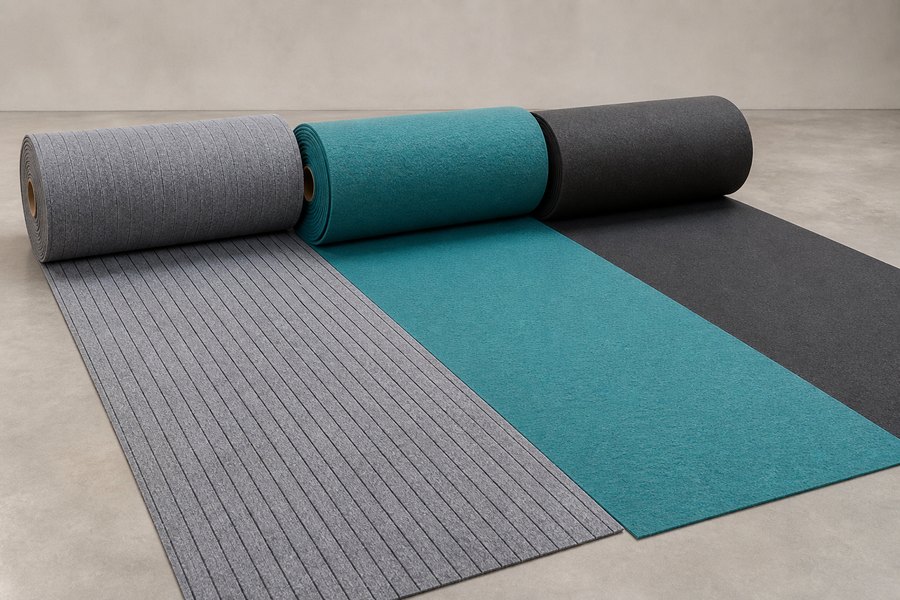
Consider a trade-show contractor dividing a hall into booth areas and main aisles. The practical risk is a joint placed across a busy crossing, or an extra roll ordered after the original color lot is exhausted. In an illustrative 6 m by 8 m space, three 2 m by 8 m drops cover 48 m² before trimming. A wider nominal roll may change the joint count, but it only saves material if the usable width and cutting direction fit the plan.
The decision about exhibition carpet should therefore be recorded as a numbered cut plan linked to roll labels. Keep the project conditions visible so the supplier, installer and buyer are reviewing the same requirement.
Exhibition Carpet: Compare the Options
Use the following comparison when reviewing exhibition carpet. These are decision routes, not guaranteed performance rankings. The final choice still needs the exact construction and project review.
| Option or condition | What to evaluate | Record for this decision |
|---|---|---|
| Fast booth fit-out | Prioritize a clear cut list and quick access to each roll. | Usable width, perimeter trimming and joint position |
| Continuous main aisle | Reduce unnecessary cross-joints and allocate consistent roll direction. | Usable width, perimeter trimming and joint position |
| Repeat event use | Agree removal, storage and condition checks before assuming reuse. | Usable width, perimeter trimming and joint position |
Choose a Useful Approval Sample
For exhibition carpet, request a full-width cut with one representative joint and a finished perimeter edge. Focus the approval on usable width, perimeter trimming and joint position. Avoid a quotation based only on net room area. Label the specimen so observations remain connected to the offered product.
Exhibition Carpet: Keep the Right Records
Keep the inquiry, approved sample and a numbered cut plan linked to roll labels together. When comparing exhibition carpet, make the exact construction, dimensions and accepted deviations visible in the order. Record unresolved questions before production release.
For independent background, consult Carpet and Rug Institute installation resources. Use the resource appropriate to the project and verify the current requirements with the responsible reviewer. This reference does not certify any MINGYAO product.
Prepare a Focused Inquiry
To discuss exhibition carpet for this application, review พรมนิทรรศการแบน and the OEM/ODM service. Send booth dimensions, aisle positions, traffic duration, approved fixing method and delivery access. Ask MINGYAO to respond with a proposed construction, representative sample, quotation scope and the items that still need your decision.
Frequently Asked Questions
Should the purchase quantity equal the floor area?
Usually the cutting plan needs to be checked first. Add only the allowances supported by trimming, pattern alignment and agreed spares.
What information helps when comparing exhibition carpet?
For flat exhibition carpet, include booth dimensions, aisle positions, traffic duration, approved fixing method and delivery access. Add the approved reference and explain the decision you need the sample or quotation to support.
Which sample should be approved before production?
Use a full-width cut with one representative joint and a finished perimeter edge. For this decision, check usable width, perimeter trimming and joint position and keep the result linked to the proposed construction.
What is the main mistake to avoid with exhibition carpet?
Avoid a quotation based only on net room area. In this application, also address a joint placed across a busy crossing, or an extra roll ordered after the original color lot is exhausted before committing to the full order.
What should be confirmed when the specification changes?
Review the affected sample, dimensions, installation assumptions and evidence. A temporary exhibition specification does not establish suitability for permanent office traffic or exposed outdoor service.